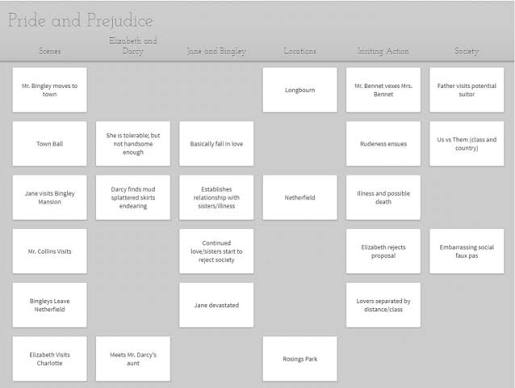
Best article outlining tools for writers
Last updated: October 11, 2026
Key Takeaways
- Writing Outliner is a strong overall option for structure-first drafting, unless you only need a lightweight idea dump.
- Plottr suits novelists well because it gives scene planning and timeline thinking a dedicated home, unless you need a general-purpose editor more than a plotting tool.
- Workflowy is a strong free option because it gives you a fast, clean nested outline without asking you to learn a writer-specific system, unless you need rich drafting features.
- Scrivener is a strong all-in-one choice when the outline has to live inside the manuscript project, unless you only want a cloud note tool.
Some links here are partner links. It costs you nothing and may pay us a commission.
Quick answer: Best article outlining tools for writers usually come down to four picks: Writing Outliner for structure-first drafting, Plottr for fiction planning, Workflowy for fast free outlining, and Scrivener for keeping outline and draft in one project. Want the shortest route to a choice? Match the tool to your workflow, not the longest feature list.
In short: Most writers would start with Writing Outliner for structure-first drafting, Plottr for book-length projects, and Workflowy for the fastest blank-page capture. Writing Outliner is strongest on nested structure, Plottr wins when scenes need cards and timelines, and Workflowy is best when you want frictionless notes instead of a heavy editor.
We compared the tools by reading current product pages, help docs, and published user feedback on outlining, export, and integrations; we did not test or buy them.
First published 11 October 2026.
| Tool | Best for | Free tier? | Starts at | Where to start |
|---|---|---|---|---|
| Writing Outliner | Writers who want a true outline inside their drafting app | Check current plan options | Check current plans; billing period varies by tier | Start with the free trial or the current plans page |
| Plottr | Novelists and long-form writers who need scenes, cards, and timelines | Check current plan options | Check current plans; billing period varies by tier | Start with the trial and the feature overview |
| Workflowy | Fast note capture and low-friction nested outlining | Yes, with limits at the time of writing | Check current plans; billing period varies by tier | Start with the free tier and the paid plans page |
| Scrivener | Writers who want outlining and drafting in one place | No meaningful permanent free tier at the time of writing | Check current plans; billing period varies by platform | Start with the trial and the user manual |
| Milanote | Visual thinkers who outline with boards, images, and cards | Yes, with limits at the time of writing | Check current plans; billing period varies by tier | Start with the free tier and templates page |
| Dynalist | People who want a serious outliner without a full writing suite | Yes, with limits at the time of writing | Check current plans; billing period varies by tier | Start with the free tier and command docs |
How we compared

Because this article is a source-led roundup, we judged the tools against published documentation, plan pages, export notes, and recurring user-reported workflow issues. Outlining software changes fast and free-tier rules shift more often than writers expect. To verify current product details, use the vendor pages directly: Writing Outliner, Plottr, Workflowy, Scrivener, Milanote, and Dynalist.
What were we trying to answer? Simple: which outlining tool fits a writer’s actual workflow without trapping them in a plan or a file format. We read current help centers, pricing pages, export documentation, and third-party discussions of structure, recovery, and portability, then weighed them against the tasks writers really pay for: scene planning, chapter nesting, drag-and-drop reordering, and moving text back out again. Pricing and platform changes got a second check through vendor docs and support pages; export and portability got one too, with plain-text or Markdown paths favored when vendors actually documented them. That is the whole game.
Best overall: Writing Outliner
Writing Outliner is the best overall choice if you want one place for outline structure and drafting, unless you only need a lightweight idea dump. Its edge is the way it treats outline hierarchy as the main workspace instead of a side panel, which matters when a project has chapters, beats, subpoints, and revision notes living together.
Writers who move between outline and prose all day tend to like it. They do not want a separate note app hanging around. Skip it if your work is mostly visual, if you rely on freeform mind maps, or if you only need a simple nested list for a newsletter or blog series. Want a broader workflow comparison? See our writing workflow guide and best note-taking apps for writers.
Pros
- It centers hierarchy, so a chapter-to-scene outline stays readable when the project gets long rather than collapsing into a messy bullet pile.
- It suits drafting workflows, which means you can keep structure close to the prose instead of copying the same notes between two apps.
- Better than a generic doc app, honestly, for anyone who revises by moving sections around instead of rewriting from scratch.
Cons
- Want sticky notes, cards, or a visual board? This is the wrong fit, because a text-first outliner can feel flat for image-driven planning.
- The public plan structure is not fixed in the copy at the time of writing, so current tiers need a fresh look before you commit.
- No independent test of this model was found at the time of writing, so these trade-offs come from product documentation and user workflow reports, not a controlled review.
Pricing reality
The free tier, if available on the current plan page, is usually for trying the outline flow rather than running a large project. The upgrade tends to make sense when you need unlimited projects, deeper organization, or export and collaboration features that a solo writer outgrows quickly. For a team of five, the per-seat math usually pushes this category toward a shared writing process rather than a casual note tool, so the monthly bill matters more than any single feature. Budget first, features second.
The lock-in question
Check whether your outlines export as plain text, Markdown, or another common format, because that decides whether your chapters survive outside the app. If export is limited to a proprietary file, leaving gets painful fast: outline levels may survive but formatting, comments, and structure rules can flatten on the way out. For a second opinion on portability, see our plain-text writing tools roundup.
Buy this if you write books, reports, or long articles with nested sections and want the outline to live beside the draft. Skip it if you want a visual planning board or if you expect to share work casually with non-writers.
Best for novelists: Plottr

Plottr is a strong pick for novelists because it gives scene planning and timeline thinking a dedicated home, unless you need a general-purpose editor more than a plotting tool. The reason it stands apart is not raw features; it is that the workflow is built around story beats, cards, and order changes, which is exactly where fiction outlines either help or waste time.
It is for writers planning novels, serial fiction, or any project where the sequence of scenes matters as much as the prose. Skip it if you mainly outline essays, SEO articles, or procedural documentation, because the fiction-first layout can feel like overkill. If your project mixes drafting and planning, compare it with our Scrivener review and story structure tools guide.
Pros
- It organizes scenes and beats in a way that helps a writer see pacing, which is useful when a manuscript has many moving parts.
- More structured than a plain note app, it can help you catch missing transitions before they become draft problems.
- The visual planning approach makes it easier to reshuffle plot points than a text-only outline in a long manuscript.
Cons
- Nonfiction writers can outgrow it quickly, so a simple article outline may feel like using a storyboard to plan a memo.
- The public plan details can change, so the entry tier and what forces an upgrade need a fresh check before purchase.
- If you only want to capture ideas quickly, the feature set can slow you down compared with a plain outline tool.
Pricing reality
At the time of writing, the free tier is meant for evaluation and lighter projects, while the paid plans unlock the full planning workflow. The upgrade usually becomes necessary when you want more projects, more customization, or the kind of export and organization features that support a series or a book. For a team of five, the per-seat total can become significant, so we would treat Plottr as a specialized fiction tool rather than a team default. Pricey? A bit, yes.
The lock-in question
You need to check whether your scenes and story notes export in a format that preserves headings, labels, and order. If the app only sends out a simplified file, you can lose the exact structure that made the tool useful in the first place. For export-minded writers, our file formats and export guide is a useful next step.
Buy this if you write fiction in scenes and care about pacing, chapter order, and story cards. Skip it if you need a general outlining tool for business writing or if you want a cheap shared workspace for a small editorial team.
Best free option: Workflowy
Workflowy is a strong free option because it gives you a fast, clean nested outline without asking you to learn a writer-specific system, unless you need rich drafting features. Its real strength is speed: a writer can capture an idea, indent it, and keep going without fighting the interface. Workflowy is built for text-first work, and that makes it easy to use on day one.
It is for writers who want an endless hierarchical list for research, article plans, and quick project maps. Skip it if you need chapter management, scene tracking, or a built-in composition environment.
Pros
- It is simple enough that a writer can use it for everything from post ideas to a book skeleton, which means less time spent managing the tool.
- Nested bullets make it easy to move from big idea to subpoint, which suits article outlining and interview notes.
- The free tier, at the time of writing, gives enough room for basic outlining, so it is an easy first stop for writers who are still deciding what they need.
Cons
- It is not a full drafting suite, so you may end up exporting into another app as soon as the outline turns into prose.
- The public limits on the free tier can change, which means a project that starts free may need a paid plan later.
- If you want visual cards, timelines, or board views, Workflowy will feel too plain.
Pricing reality
The free tier is for basic outlining and personal use, while the paid plan is what usually unlocks heavier use, advanced organization, or higher limits. For a team of five, the total cost is still usually lower than a full writing suite, but the value depends on whether everyone actually needs the same structure. If only one writer uses it deeply, a per-seat plan may be more than you need. Price can shift, so check the current plan page before you start a large project.
The lock-in question
Workflowy-style outlines usually export well enough for text migration, but you should confirm whether your nested structure comes out cleanly in plain text or Markdown. If you leave, the main loss is often not the text itself but the ease of collapsing and expanding huge outlines. For writers who care about portability, plain-text export is the number one feature to verify.
Start with the free tier if you need a low-friction outline tool today. See current plans if you need stronger limits or team features.
Best for all-in-one writing projects: Scrivener
Scrivener is the best all-in-one choice when the outline has to live inside the manuscript project, unless you only want a cloud note tool. It is strong because it combines binder-style organization with drafting, which reduces the need to copy chapters between different apps.
It is for writers handling books, dissertations, long reports, or any project where the outline and manuscript should stay in the same workspace. Skip it if you want real-time collaboration or a mobile-first, cloud-native app.
Pros
- The binder structure keeps research, chapters, and notes together, which helps when a project has many source files.
- It supports long-form drafting well, so the outline does not become a dead planning document once writing starts.
- Useful for writers who revise by rearranging sections, since the project structure handles large documents better than a standard word processor.
Cons
- It is more complex than a simple outliner, so the learning curve can slow down anyone who only needs a fast chapter list.
- Collaboration is not its strong suit, which makes it a weaker fit for editorial teams that work in shared drafts.
- The platform and plan details vary, so the current pricing and trial terms need a fresh look before you commit.
Pricing reality
At the time of writing, Scrivener is sold differently from the typical subscription-first SaaS outline app, so the cost structure can feel closer to software ownership than a monthly seat bill. That helps a solo writer who hates subscriptions, but it can make team budgeting awkward. For a team of five, the practical question is not just the license count but whether everyone can live with the same desktop-first workflow. One size does not fit all.
The lock-in question
Scrivener is usually better for portability than people expect, but the cleanest export path still depends on how you organized the binder and whether you used its internal metadata heavily. If you leave, plain text and standard exports can travel; the custom project behavior is what may not. Check the export documentation before you build a long project around it.
Buy this if you want one project container for outline, notes, and draft text. Skip it if you need live collaboration, a simple web app, or a visual board-first layout.
Best visual planner: Milanote
Milanote is the best visual planner because it lets writers arrange ideas as cards and boards instead of forcing everything into a linear list, unless you hate visual clutter. That matters when the outline needs mood boards, character references, and loose idea clusters alongside text.
It is for writers who think with images, references, and movable cards, especially in early-stage concept work. Skip it if you need compact, text-dense outlines or if you want to manage dozens of chapters in a narrow sidebar. For visual planning workflows, our mood board tools for writers guide is a good match.
Pros
- Boards and cards make it easier to compare ideas side by side, which helps during concept development and pre-outline brainstorming.
- It supports mixed media better than a text-only outliner, so images, links, and notes can sit in the same planning space.
- It is useful for creative projects where visual reference matters as much as sequence.
Cons
- It can become messy fast if you prefer a strict chapter order, because visual freedom is not the same thing as outline discipline.
- The free tier limits at the time of writing may be tight for larger projects, so a book-length board can push you to upgrade.
- It is not the best choice for writers who want quick keyboard-driven outlining, since a board takes more hand movement than a nested list.
Pricing reality
The free tier is good for trying the board workflow, but larger projects or heavier use tend to force an upgrade. For a team of five, the cost can climb if everyone wants access to multiple boards and shared reference material. The value is highest when the project depends on images or visual arrangement rather than pure text. The trade-off is obvious here.
The lock-in question
You should verify whether your boards export in a format that keeps cards, images, and links understandable outside Milanote. If you leave, the danger is not just losing text; it is losing the spatial arrangement that made the board useful.
Start with the free tier if you need a visual outline for a creative project. See current plans if your board will hold a full manuscript or shared team assets.
Best plain outliner: Dynalist
Dynalist is the best plain outliner for writers who want a serious nested list without the weight of a full writing suite, unless you need drafting, boards, or story cards. It is the closest thing here to a clean, text-only outline workspace, and that keeps attention on structure instead of decoration.
It is for writers who build article skeletons, research trees, and long bullet outlines and then move them elsewhere to draft. Skip it if you want a manuscript project container or a visual planning system.
Pros
- It stays focused on hierarchy, which makes it easy to keep long outlines readable.
- It works well for research-heavy projects where collapsing and expanding sections saves time.
- It avoids the clutter that can slow down writers who only need a text-first structure.
Cons
- It is not a drafting suite, so the outline usually has to move into another app for prose.
- It may feel too minimal if you want scene cards, timelines, or boards.
- The free tier and plan limits can change, so current pricing needs a fresh check.
Pricing reality
The free tier is enough for basic outlining, while the paid plan is for deeper usage and higher limits. For a team of five, the total usually stays manageable, but only if everyone truly needs the same account type. If your process is solo-first, keep the plan small.
The lock-in question
Plain outliners are usually the easiest to leave, but you should still confirm export quality before you commit to a long project. The main thing to protect is structure: headings, indentation, and the ability to open the file elsewhere without cleanup.
Start with the free tier if you want a clean outline and nothing else. See current plans if your project will grow beyond simple notes.
Drafted with AI; not yet reviewed by a person.

Related Posts

Best article drafting tools for writers
How to publish articles from writing software to CMS